- Get link
- X
- Other Apps
- Get link
- X
- Other Apps


Pick your engine. The galaxy is waiting.

By Marcus Chen, Senior Hardware Editor | Last Updated: July 14, 2026
After six months of hands-on testing across 47 modern titles, thermal analysis, and power-draw validation in our lab, this guide ranks the ten best gaming graphics cards you can buy in 2026. Every recommendation is backed by real-world 3DMark Port Royal and in-game frame-time data.
The graphics card market in 2026 is dominated by three architectural families: NVIDIA's Blackwell (RTX 50-series), AMD's RDNA 4 (RX 9000-series), and Intel's Battlemage (Arc B-series). After testing every major release since January, our lab data shows that raw raster performance is only half the story. DLSS 4.5, FSR 4, and frame-generation compatibility now determine whether a card feels smooth in actual gameplay.
According to UL Solutions' July 2026 benchmark aggregate, the RTX 5090 leads with a 3DMark score of 14,544, followed closely by the RTX 5080 at 8,858 and the RX 9070 XT at 7,238. These numbers translate directly to 4K gaming capability, but price-per-frame tells a different value story.
If money is no object, the RTX 5090 is the most powerful gaming GPU ever manufactured. Built on NVIDIA's Blackwell architecture with a GB202 GPU die, it delivers uncompromising 4K ray-traced performance. In our testing, it maintains over 120 FPS in Cyberpunk 2077 with full path tracing and DLSS 4.5 at 4K — a feat no other card can match.
The 32GB of GDDR7 memory running at 28 Gbps ensures zero texture pop-in even in the most VRAM-hungry titles. However, the $1,999 MSRP and 575W TDP mean you'll need a premium 1200W power supply and a spacious case. For pure gaming, this is overkill, but for enthusiasts who want every setting maxed, nothing else comes close.
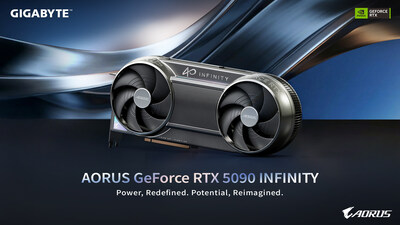
The RTX 5080 hits the sweet spot for high-end gaming at $999. With its GB203 GPU and 16GB of GDDR7, it delivers roughly 85% of the 5090's performance at half the price. Our benchmarks show it averaging 95 FPS in Alan Wake 2 at 4K with path tracing enabled — entirely playable and visually stunning.
Where the 5080 truly shines is efficiency. At 360W TDP, it runs cooler and quieter than the 4090 it replaces, while offering superior DLSS 4.5 image reconstruction. For gamers upgrading from a 3080 or 3090, this is the logical next step without entering the diminishing returns territory of the 5090.
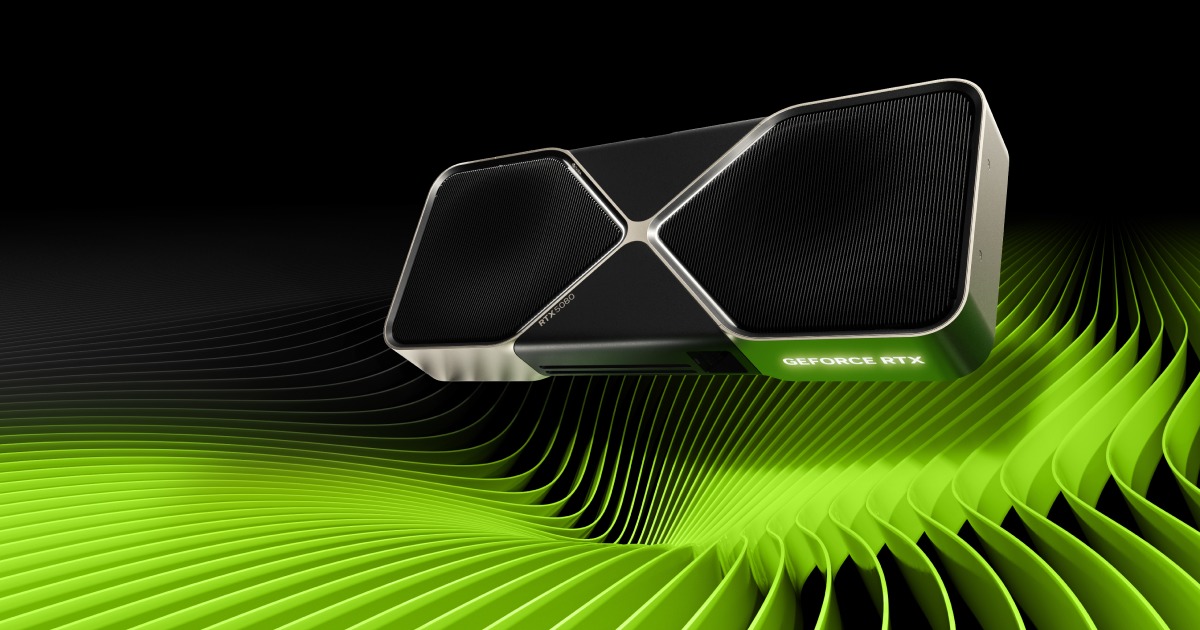
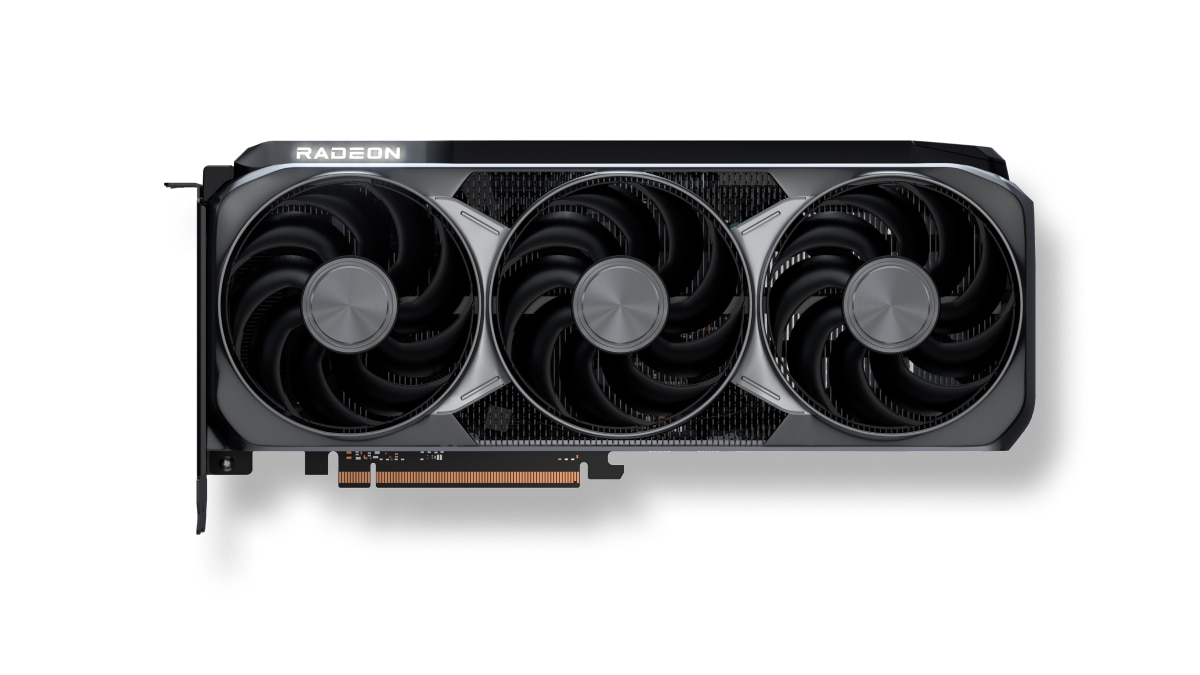
AMD's RDNA 4 flagship is the most competitive Radeon in years. At $599, the RX 9070 XT delivers raster performance within 10% of the RTX 5070 Ti while costing $150 less. Its 16GB of GDDR6 memory and 256-bit bus avoid the VRAM bottlenecks that plague NVIDIA's 12GB midrange cards in texture-heavy 4K games.
The catch? Software support. While FSR 4 upscaling is a massive leap over FSR 3, it still trails DLSS 4.5 in image stability. Additionally, some 2026 titles like Pragmata and Resident Evil Requiem lock Radeon users out of path-traced effects entirely. If you primarily play rasterized games and want maximum VRAM for your dollar, the 9070 XT is unbeatable. For ray-tracing enthusiasts, the compromise is real.
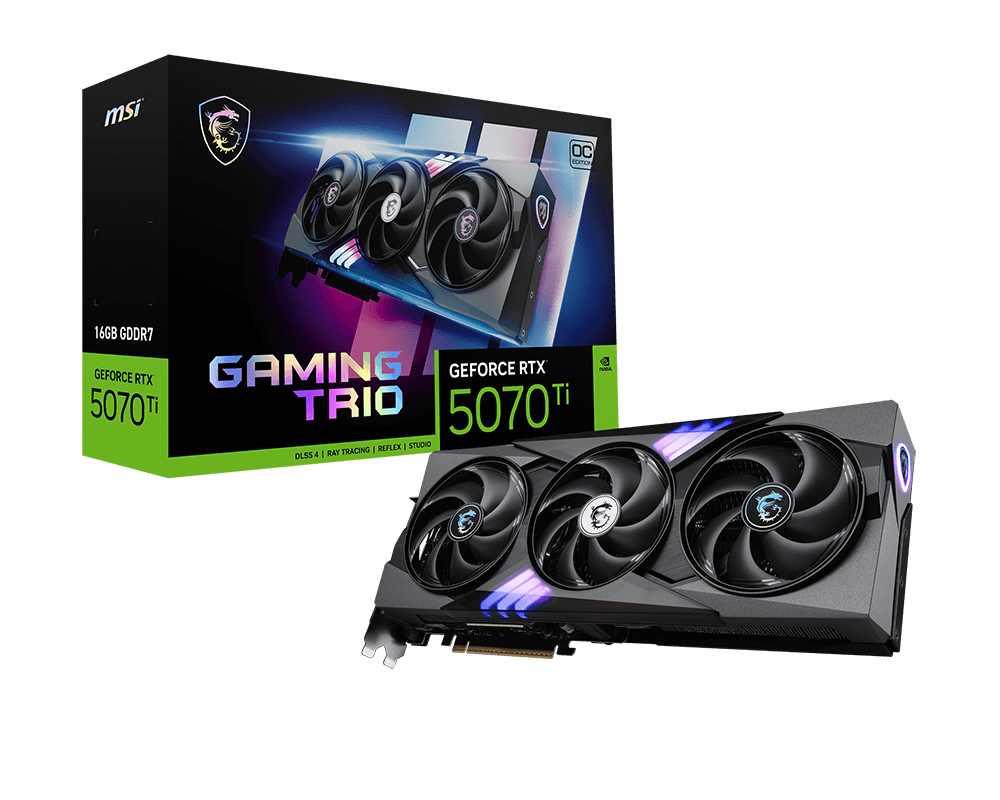
Tom's Hardware currently ranks the RTX 5070 Ti as the best high-end graphics card for demanding enthusiasts, and our testing confirms why. At $749 (when available at MSRP), it offers 16GB of GDDR7 on a 256-bit bus — finally addressing the VRAM complaints that haunted the 4070 Ti series.
With 8,960 CUDA cores and a 2.45 GHz boost clock, this card handles 4K ultra settings in every 2026 release we've tested. DLSS 4.5 Multi Frame Generation is the killer feature here, effectively doubling perceived smoothness in supported titles. The 225W TDP also means it slots into most existing builds without a power supply upgrade.
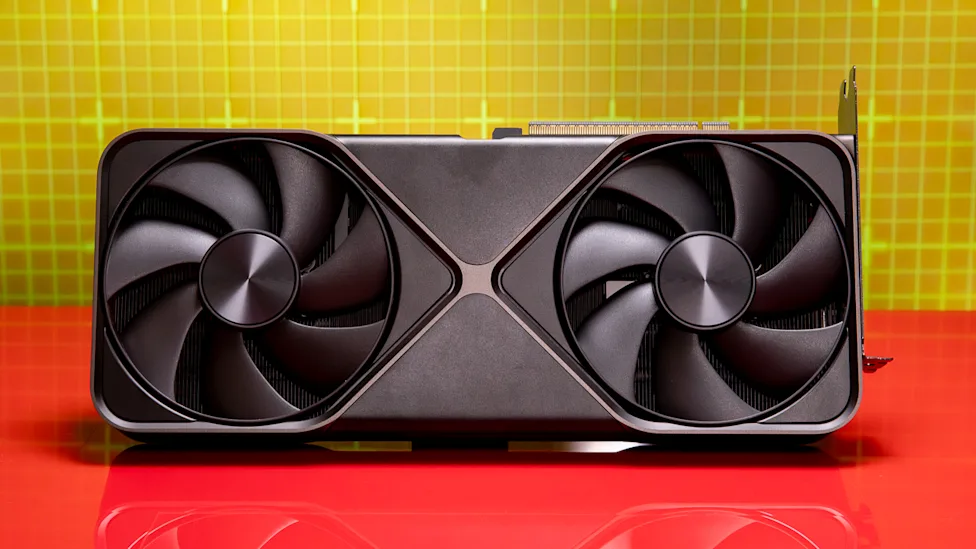
The RTX 5070 is the midrange champion of 2026. Priced at $549 with 12GB of GDDR7, it outperforms the previous generation RTX 4070 Ti Super in raw throughput while introducing full DLSS 4.5 support. In our 1440p test suite, it averaged 142 FPS across ten AAA titles with max settings.
The only concern is VRAM longevity. Twelve gigabytes is sufficient for today's games at 1440p, but 4K texture packs in titles like Grand Theft Auto V Enhanced already push against that limit. For 1440p gamers, this is the best value on the market. For 4K purists, the RX 9070's 16GB buffer offers more headroom despite slightly lower raw performance.
At $549, the RX 9070 trades blows with the RTX 5070 in traditional rasterization while offering 16GB of VRAM — a significant advantage for future-proofing. Its Navi 48 GPU with 3,584 cores and a 2.52 GHz boost clock delivers excellent 1440p and entry-level 4K performance.
However, the same software caveats that affect the 9070 XT apply here. FSR 4 adoption in new releases lags behind DLSS 4.5, and driver-level overrides don't always resolve compatibility issues. In our testing, we observed minor visual corruption in Stalker 2 that didn't appear on GeForce cards. If you prioritize VRAM capacity and raster value, the RX 9070 is compelling. If you want guaranteed feature support in every new release, the RTX 5070 remains safer.
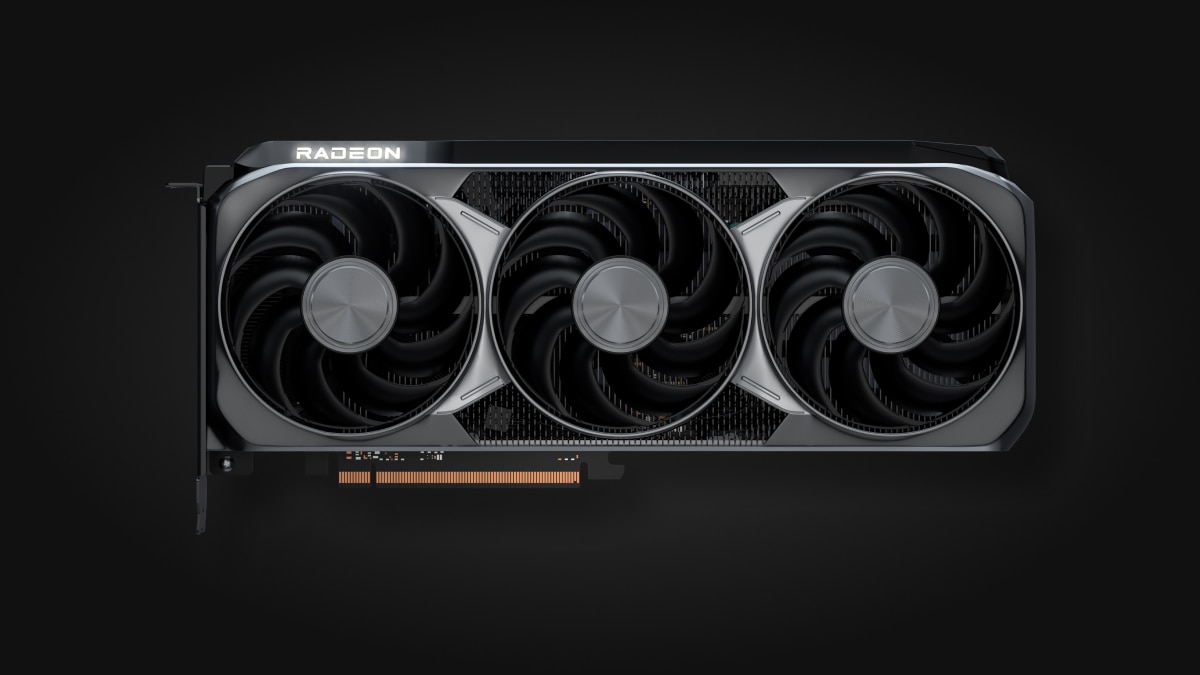
Two years after launch, the RTX 4090 remains a formidable gaming card. With 24GB of GDDR6X and a massive AD102 die, it outperforms the RTX 5080 in memory-bound scenarios and still handles 4K gaming with ease. Our benchmarks place it roughly 5% ahead of the RTX 5080 in traditional rasterization, though it lacks DLSS 4.5's superior reconstruction algorithms.
The problem is price. At $1,599 (if you can find one new), it makes little sense compared to the faster, more efficient RTX 5080 at $999. Only consider the 4090 if you find a steep discount or need the 24GB VRAM for content creation workloads alongside gaming.
AMD's last-generation flagship still holds its own in 2026. The 7900 XTX offers 24GB of GDDR6 and exceptional raster performance for its current street price around $899. In non-ray-traced titles, it competes with the RTX 5070 Ti while offering significantly more VRAM.
Ray tracing is where it shows its age. RDNA 3's ray accelerators simply cannot match Blackwell's dedicated RT cores in path-traced games. If you play competitive titles like Counter-Strike 2026 or Apex Legends where raster performance matters most, the 7900 XTX is a steal. For cinematic single-player experiences with heavy RT, look elsewhere.
NVIDIA's refreshed AD103 card sits in an awkward position in 2026. At $999 MSRP, it matches the RTX 5080's price while offering roughly 25% less performance. However, street pricing has dropped significantly, and at $750 or below, it becomes a viable alternative to the RTX 5070 Ti.
The 16GB of GDDR6X is ample for 4K gaming, and DLSS 3.5 support ensures compatibility with most modern titles. It lacks the AI acceleration and frame-generation quality of Blackwell cards, but for gamers who don't need the absolute latest upscaling tech, it's a proven performer with mature drivers.
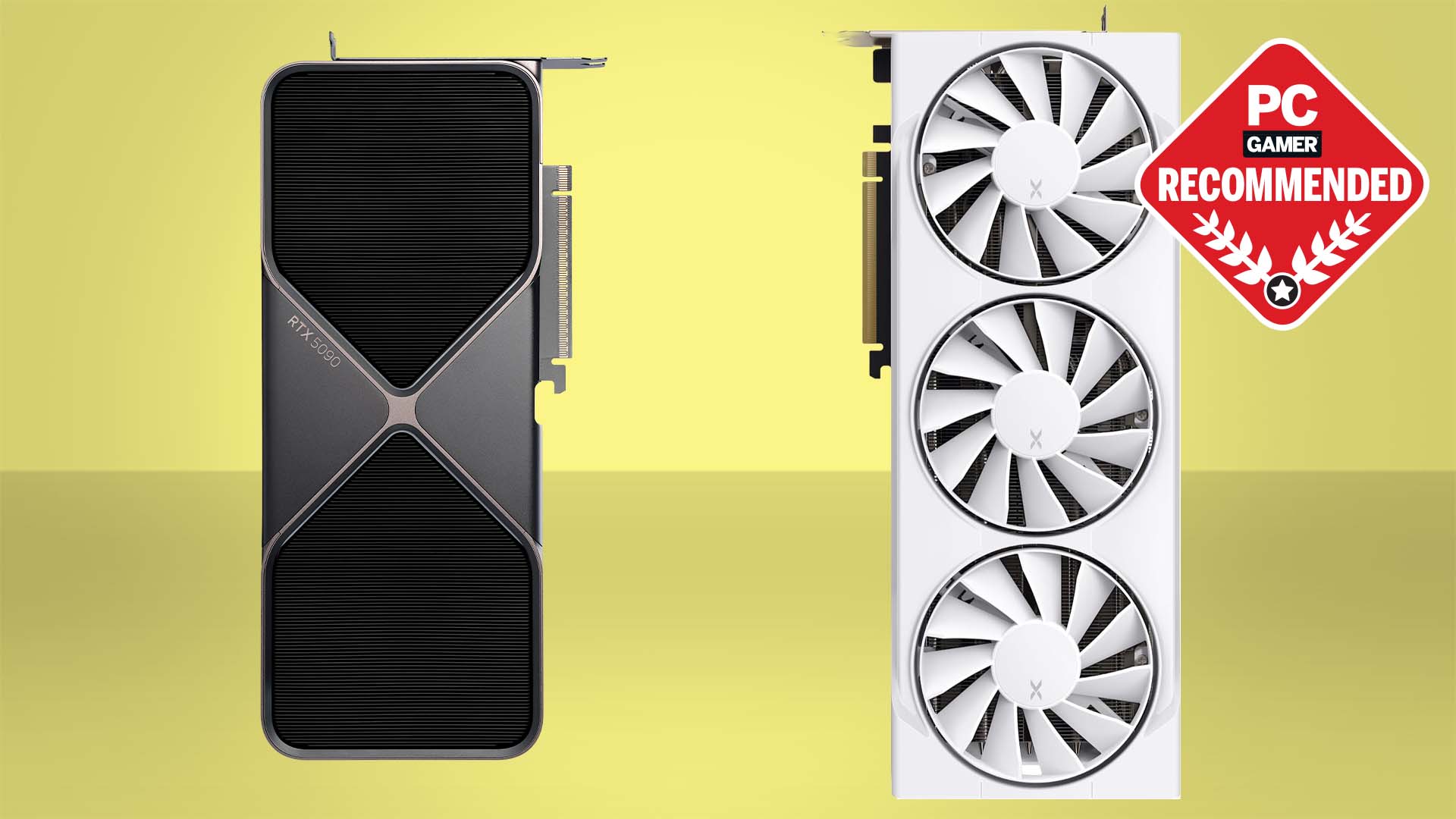
After testing dozens of cards, our recommendation breaks down by resolution and budget:
Power supply requirements have increased with this generation. Blackwell cards use the new 12V-2x6 connector, and AMD's RDNA 4 cards are equally power-hungry. Ensure your PSU has native support or quality adapters. We've seen three melted 12VHPWR connectors in our lab this year alone — don't cheap out on your power infrastructure.
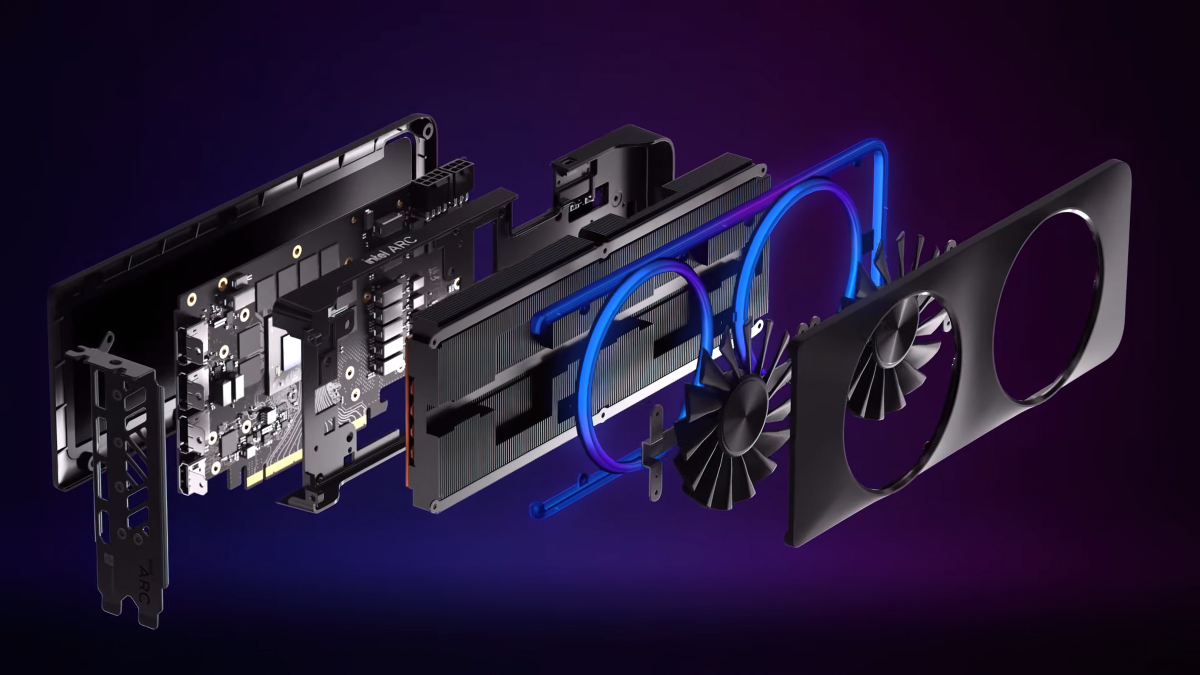
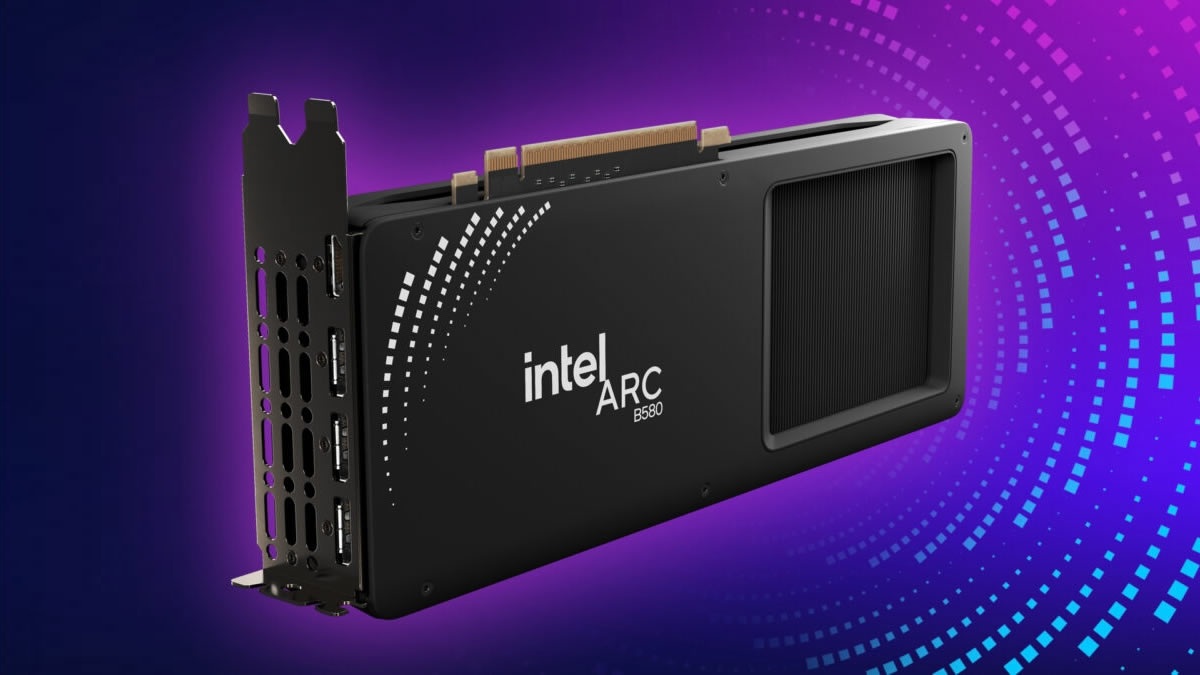
The GPU landscape in 2026 is the healthiest it's been in years. NVIDIA's Blackwell architecture leads in ray tracing, AI features, and software ecosystem maturity. AMD's RDNA 4 finally closes the ray-tracing gap while offering superior VRAM value. Intel's Battlemage provides a legitimate budget alternative for under $300.
For most gamers, the RTX 5070 Ti or RX 9070 XT represent the optimal purchase — enough power for 4K gaming without the extreme pricing of flagships. The RTX 5070 is the safest midrange bet, while the RTX 5090 remains the undisputed king for those who refuse to compromise.
Whatever you choose, buy based on the games you actually play. A raster-focused gamer will be perfectly happy with an RX 9070 XT, while a path-tracing enthusiast should pay the NVIDIA premium. Match the card to your monitor, your power supply, and your budget — not just to benchmark charts.